In 2018, I worked with my friend and collaborator Dr Ricardo Sosa, to develop the concept of Data Objects – or functional objects whose form and function encode data. Rather than relying on numerical tables and graphs, data objects help people to access and make sense of complex information through the utilitarian objects they encounter in their everyday lives. Such objects could range from household devices to street furniture, wearable devices, educational materials, and interactive exhibits. In our first experiments – playing on the idea of the ‘data table’ – we embedded data into the form and function of real physical tables. For example, Table for Two and This Table is Occupied shown below. By twisting familiar artefacts, the hope was that complex issues could be experienced in new ways, and that such experiences might provoke social change.
Data Tables
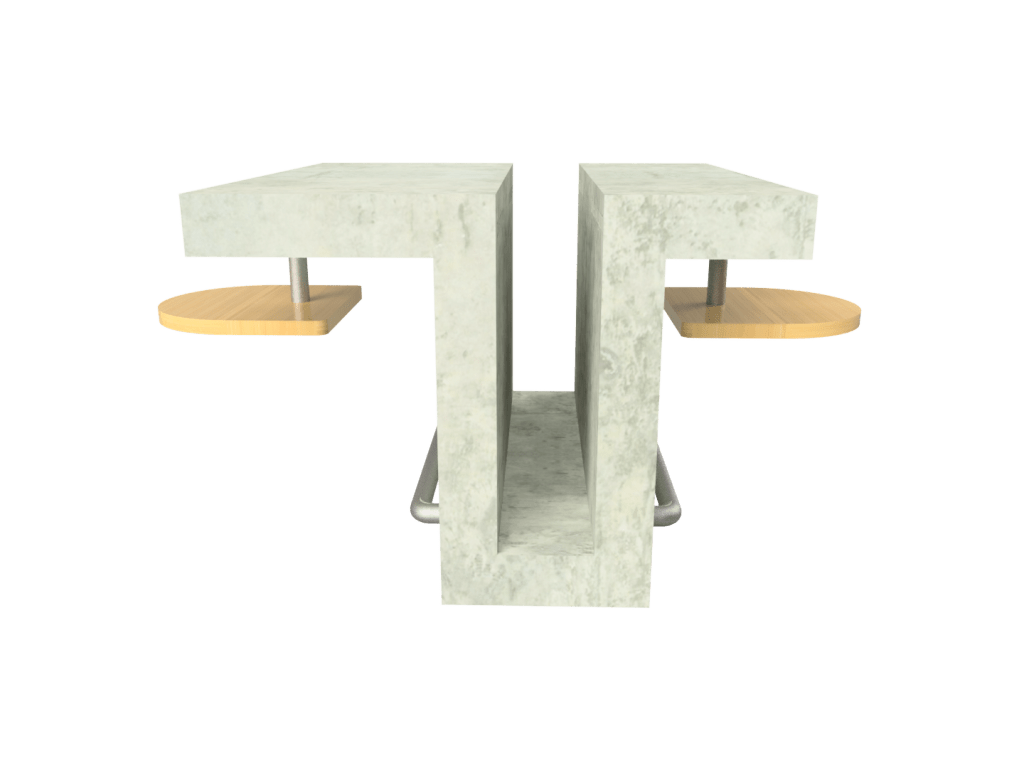
Table for Two
‘Table for Two’ uses data to directly contradict the function of a table as an object to unite two people, and instead creates a barrier between them. The female diner is put in a position of discomfort as her leg and dining space are invaded by the 31.1% ‘gender income gap’. Exclamations of ‘what a stupid design!’ by the couple follow, who abandon the table in favor of more equitable dining arrangements – a physical metaphor for the obvious need to abandon the practice of unequal pay based on gender.
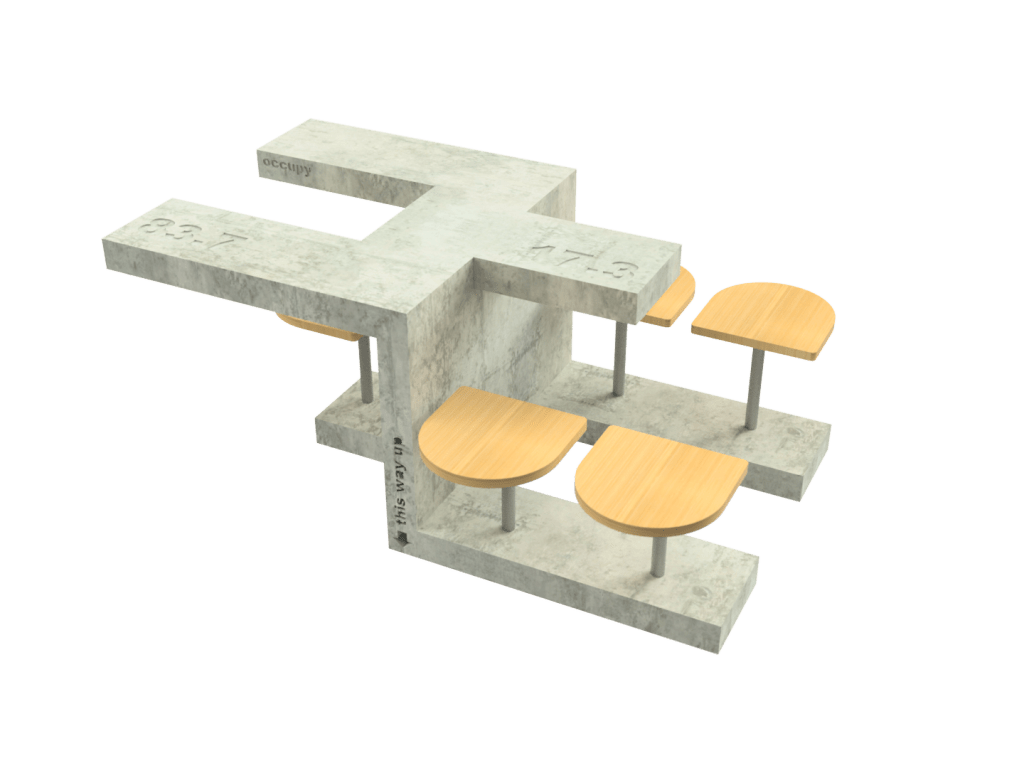
This Table is Occupied
‘This Table is Occupied’ uses data to represent global wealth inequality where one fifth of the tables ‘population’ owns 83.7% of table surface (or global wealth), leaving only 17.3% to the remain four fifths. The table provides a solution however, directing the users to flip the heavy concrete table over to redistribute the table surface equally. Such a task however, isn’t achieved easily and will require all five diners to work together.
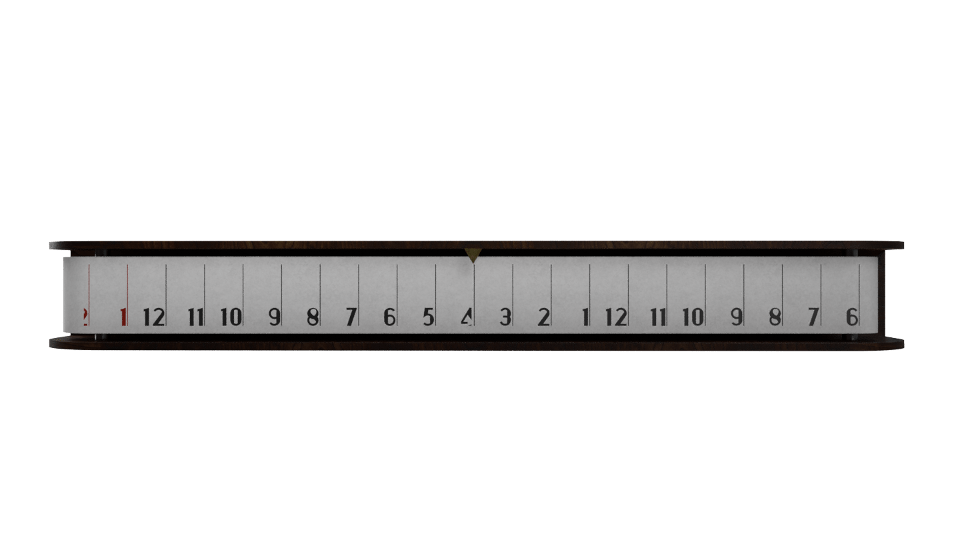
Twisting familiar objects to help people make sense of the world in new ways is a common thread in my work. For example, in 2019 I worked on a project to design a series of wall clocks based on diverse cultural perceptions of time, from jam karet or ‘rubber time’ in Indonesia or the linear time of the west. For both interpretations, the standard clock seemed inadequate an in response I twisted the design of the standard wall clock to reflect these more nuanced understandings (below).

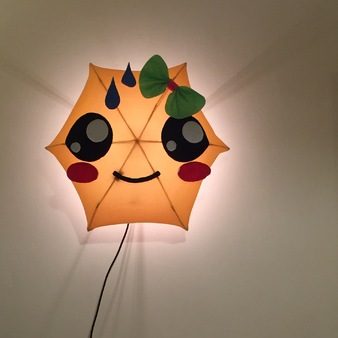
Taking this idea further, I began to explore how the wall clock might represent more personal experiences of time. For example, I ran a workshop with a group of people who attended Headway East – an amazing organisation in East London which works with people who have suffered from a head injury – to understand how they experience time. One member of the group perceived time as either being spent happily or sadly, and therefor I designed his clock to be a customisable emoji which glowed at happy times and dimmed at sad times. Another member experienced time as always being taken away by another task and I therefore designed her clock as a four way rolling egg timer (see below).
Meanings of Time
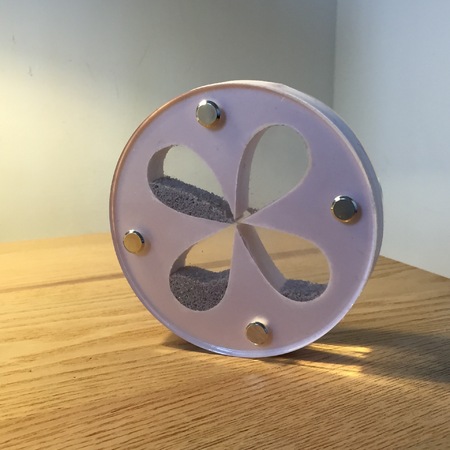
These examples show how designing familiar things in distorted ways can help us to see the cracks in our own understandings of the world. This is because, the designed world scripts our understanding and when we twist the script we twist our prescribed perceptions – whether that be the way we understand time or the way we understand wealth or gender inequality. My hope in these projects was that this makes us more empathic, more able to interpret the world from the point of view of others. It helps us to see things we haven’t seen before, and perhaps more importantly helps us to experience them in tangible ways.
In my PhD I’d like to explore how designers can employ this type of twisting of everyday objects to affect critical change. In later posts I will explore how other designers use this type of twisting in their work, and also how the public twist everyday objects, through appropriation and ‘misuse’, to achieve their own political and social agendas.
 vicky gerrard