I am currently co-writing a chapter with Prananda Malasan for a book about social design practices in Asia Pacific. Our chapter explores the Indonesian concept of “ngakalin”, or the ability to creatively see unintended potential in the designed world. We argue that people living in Indonesia are very good at ngakalin and practice it as a form of collective inquiry about the world in which we choose to create and live. In the chapter we introduce a number of examples of ngakalin but perhaps one of the best ways to understand the phenomenon is to scroll through the posts of the Unconditional Design Instagram account which documents ways that people ‘misuse’, appropriate, and repurpose material culture in Indonesia.
Examples of Ngakalin
Examples from Unconditional Design IG
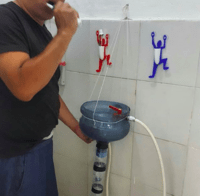
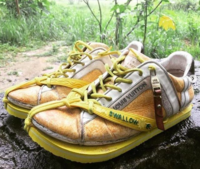
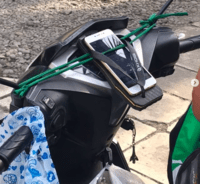
In part 1 of this post I described how my design practice tends to twist familiar everyday objects to encourage collective reflections about the world. Ngakalin shows another side to this twisting, where people twist the script offered by everyday objects to create their own performances. Such twistings do not rely on a designer but rather represent an elastic view of the things which designers offer the world. They reflect an everyday intuitive interest and capability to participate in the creation of material culture that goes beyond participatory design workshops and community projects. While pronounced in Indonesia, such capability is not unique to Indonesia. A similar twisting of scripts has been described by Sara Ahmed in her reflections on queer use, by Erica Rand when she explores the various ways that Barbie gets queered, and by Elizabeth Chin who explores the racial re-scripting of dolls. Put simply, despite the tendency of material culture to corral people into particular ways of being, designed things also prompt more transgressive performances.
Twisted Things
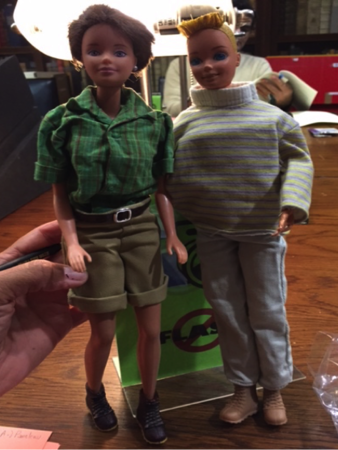
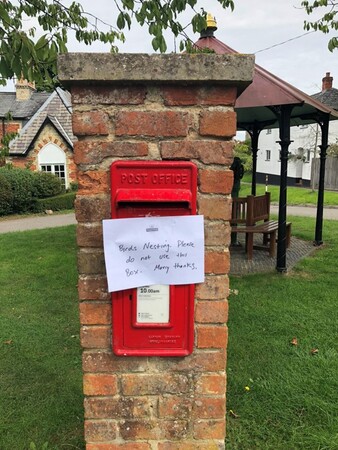
Transgressive performances with things have consequences for my own design work. As a designer I twist everyday things as a way to provoke a rethinking about the world. Such provocations are successful because people understand the script which familiar things are inviting them to follow, and subsequently understand when that script is distorted. My practice therefore leverages an inherent elasticity in the way that people interpret and engage with the designed world – it leverages ngakalin. However, what if my design work not only leveraged ngakalin but worked to enhance it? How might design interventions build the capability of people to engage in a collective reinterpretation of the world we design? In our chapter on the practices of ngakalin we begin to tease out how such transgressive performances have influenced design practice in Indonesia. A question for my PhD is how do these ideas translate to other contexts and cultures? What types of material pragmatism exist elsewhere? How are they supported by design? How do they work to drive an ongoing negotiation about the world we choose to live in?
 vicky gerrard